This website uses cookies as well as similar tools and technologies to understand visitors’ experiences. By continuing to use this website, you consent to Columbia University’s usage of cookies and similar technologies, in accordance with the Columbia University Website Cookie Notice.
Energy Explained
Get the latest as our experts share their insights on global energy policy.
New Venezuelan Oil Regulations Offer Promise, But Politics and Quake Recovery Threaten Investment
The economic and humanitarian consequences of the June 24 twin earthquakes in Venezuela continue to emerge.

Podcasts
Hear in-depth conversations with the world’s top energy and climate leaders from government, business, academia, and civil society.
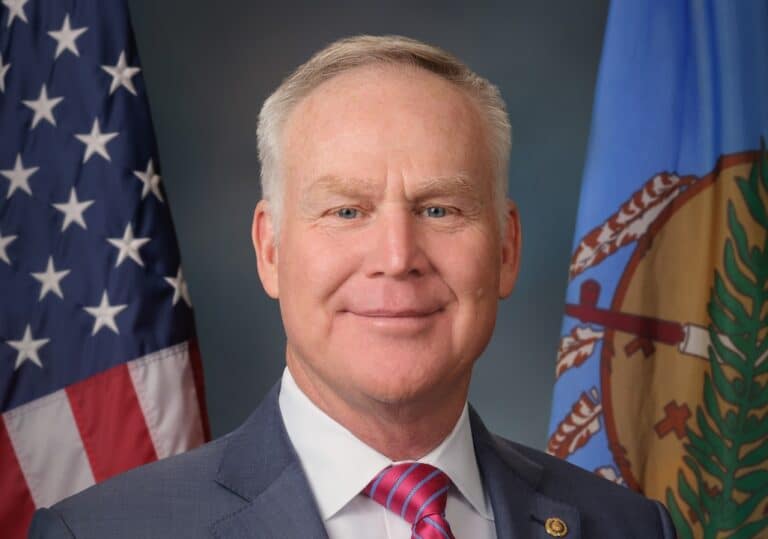
Senator Alan Armstrong on Building American Energy Infrastructure
As the demand for power surges across the US, the debate over how to build energy infrastructure has reached a fever pitch. And while both sides of the...
Partnerships
Our strategic partnerships help advance the mission and goals of the Center on Global Energy Policy.
Methane Finance Working Group
With the planet poised to exhaust its carbon budget within the next few years, it's imperative to reduce methane emissions, as it’s a highly potent greenhouse gas. One of the reasons methane abatement has lagged in the oil and gas sector is the lack of appropriate financial instruments to provide access to capital for this purpose. The Guidance produced by the Methane Finance Working Group (MFWG) aims to address this challenge by proposing labeled bonds and loans with activities, projects, and KPIs targeting methane to support the creation of an ecosystem where issuers, investors, and structuring agents can confidently engage in transactions.
The Lancet Countdown 2020
The Lancet Countdown on Health and Climate Change is an international, multidisciplinary collaboration dedicated to monitoring the evolving health profile of climate change. It provides an independent assessment of the delivery of commitments made by governments worldwide under the Paris Agreement. Former CGEP Research Director, Dr. Melissa Lott, is an Indicator Lead Author in the report.
Future Power Markets Forum
The Future Power Markets Forum began as a joint project between the Center for Global Energy Policy and the Whiting School of Engineering at Johns Hopkins University. The Forum brings practitioners, experts, and regulators together to explore practical solutions for efficient and reliable power market design based on the observed trajectory of decarbonization.